Updated November 2026
Short answer: A traditional wedding band is a simple circle of metal, usually gold or platinum, worn on the left ring finger as a symbol of eternal love. The custom dates back to ancient Egypt and Rome. Classic bands stay popular because they're versatile, timeless and easy to care for, and today they also come in modern metals like tungsten and titanium.

Traditional wedding bands have long been a symbol of love and commitment, representing the endless bond between a married couple. They come in many styles and materials, so there's something for everyone who appreciates time-honored design.
Men's bands in particular range from simple and sleek to more intricate. Classic men's rings tend to be wider and more substantial while keeping a timeless look, and popular styles include carved, textured or plain bands. When choosing, consider the metal, the width and comfort. Gold and platinum are popular for their durability and luster, while alternative metals like titanium and tungsten carbide are gaining popularity.
The history and tradition of wedding bands
Ancient Egypt
The circle as eternity
Pharaohs were among the first to use circles as symbols of eternal love
Ancient Rome
A public pledge
Rings honored the marriage contract
Western tradition
The left ring finger
Linked to the vena amoris, the "vein of love"
Today
Every style and metal
From plain gold to diamonds and modern metals
Wedding band origins can be traced to ancient Egyptian, Greek and Roman cultures, where the circle represented eternity. Egyptian pharaohs were among the first to use circular shapes as symbols of eternal love. In Roman times, wedding rings became a public pledge to honor the marriage contract. Traditionally made of precious metals like gold or platinum, wedding rings continue to represent the everlasting bond between two people.
As the tradition evolved, so did the styles. In North America, cities like Los Angeles, New York, San Diego and Houston have seen wedding band trends come and go, from simple gold bands to intricate designs and diamond-encrusted rings. Couples now have a vast range of choices to express their love.
The customs have changed too. In many Western cultures, including the United States, both partners commonly wear a wedding band on the left ring finger. This comes from the belief that a vein in this finger, the vena amoris or "vein of love," connects directly to the heart.
Why the classics still work
Versatile
Complements any engagement ring without competing for attention.
Timeless
Never looks dated, and becomes a cherished heirloom.
Practical
No stones to loosen, so it's easy to clean and less prone to damage.
Personal
Add an engraving or a unique finish while keeping the classic look.
Traditional bands have stood the test of time for a reason: their elegant simplicity lets couples symbolize their commitment without going over the top. Plain metal bands in platinum, titanium or gold have a subtle elegance that pairs with any engagement ring, whatever its design or gemstones.
Trends come and go, but a simple gold or platinum band always stays stylish. A plain band, whether rounded or flat, usually has no diamonds or other stones, so it's easier to maintain, and with fewer elements there's less chance of damage. If you want something a little more unique, add a simple engraving or a special finish while keeping the timeless tradition.
Classic shapes include the domed (rounded) band, the flat band and bands with beveled edges. Compare sizes in our band widths guide, and see ideas in our engraving guide.
Stones in traditional wedding bands
Diamonds
The hardest natural substance on earth, symbolizing love, commitment and durability. Choose from different settings and cuts.
Eternity rings
A continuous line of identical stones around the band, representing eternal love.
Gemstones
Sapphires, emeralds or rubies add color while keeping the classic look; combine them with diamonds for a distinctive ring.
Thinking of adding your birthstone? See Birthstone Wedding Bands.

Modern twists on classic wedding bands
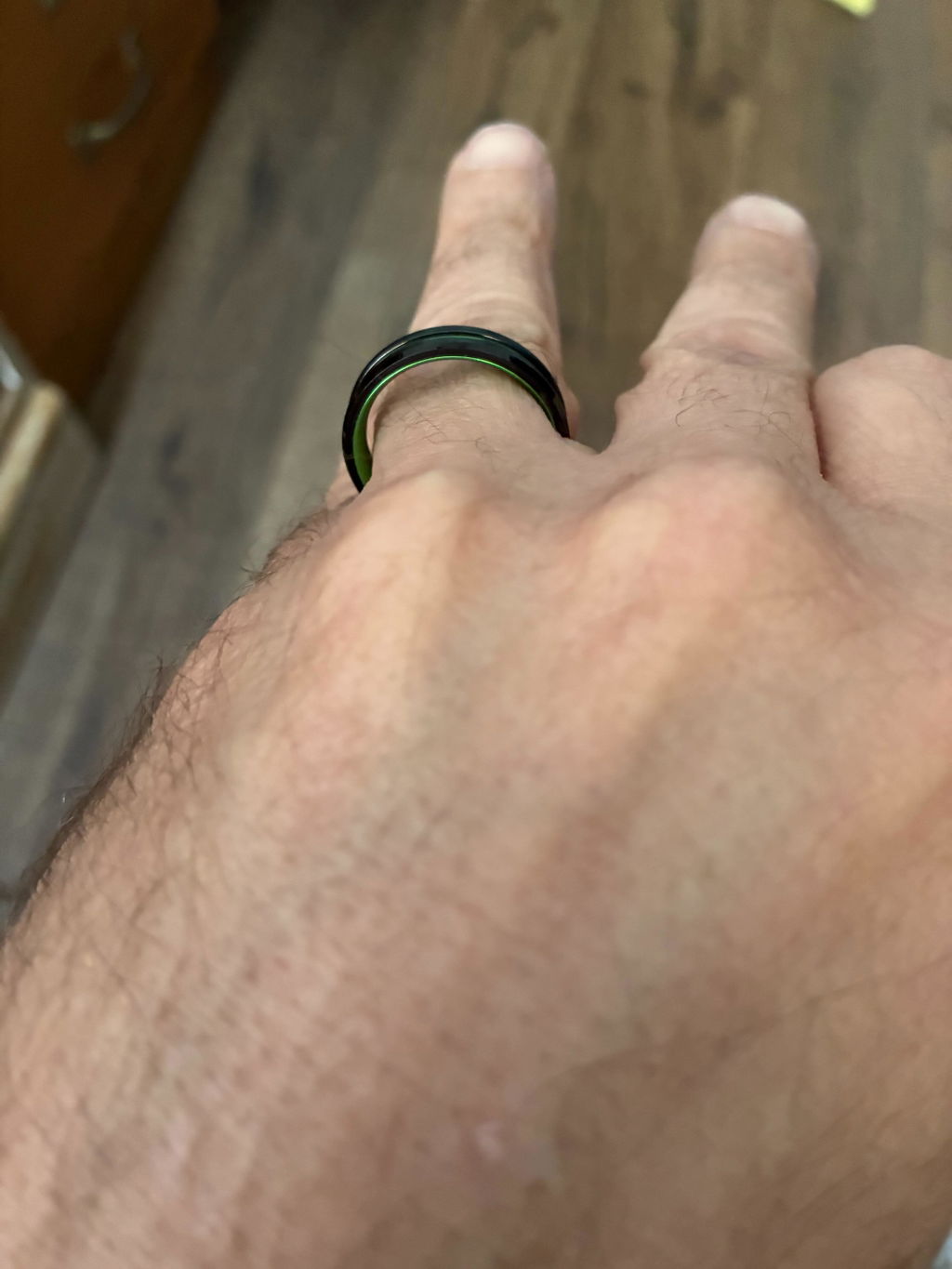
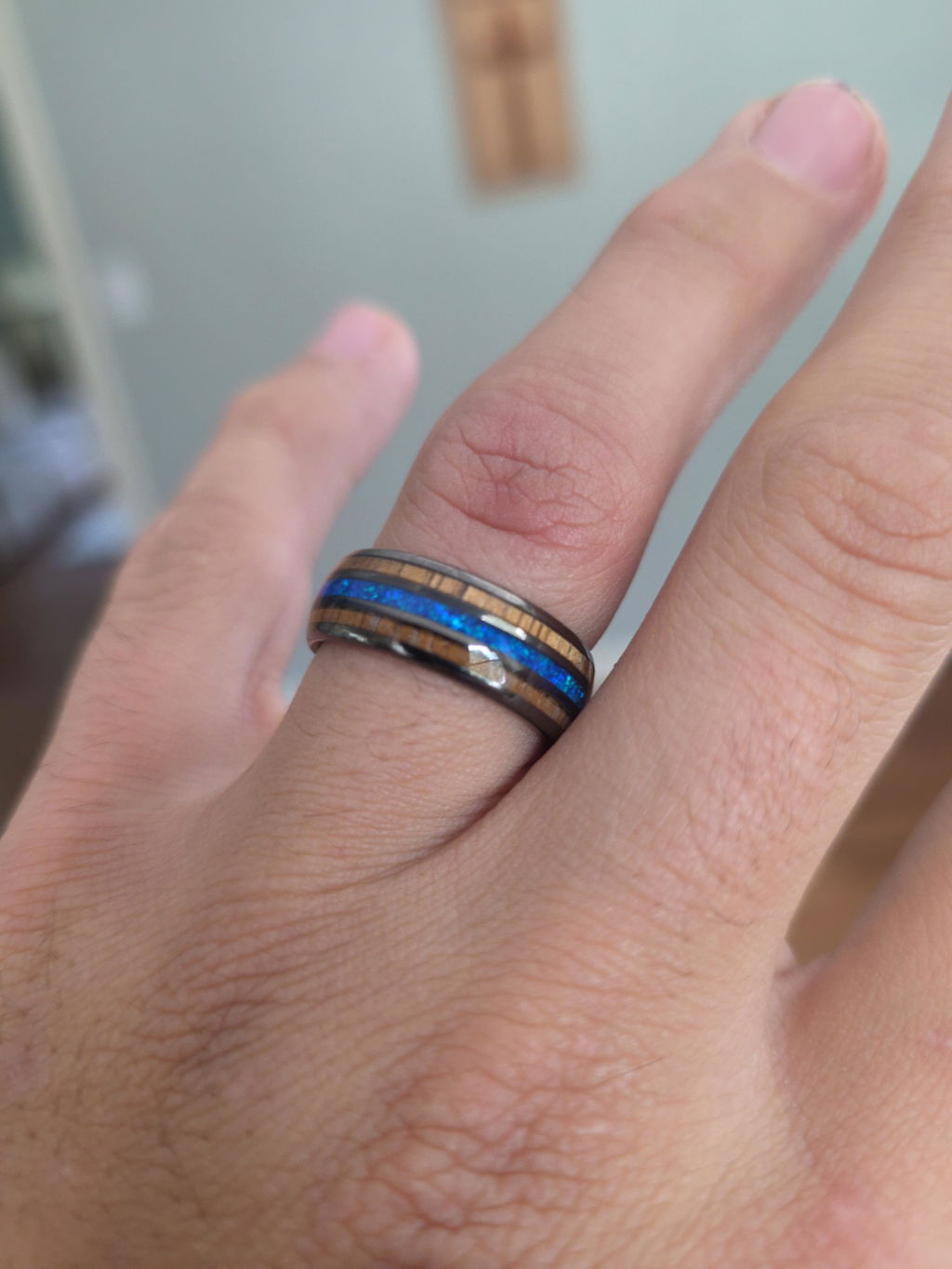
Classic rings are often made from gold or platinum, but modern trends are giving them a unique twist:
Alternative metals
Titanium, tungsten and cobalt offer a fresh look and excellent durability for active people.
Textures and finishes
Alternating matte and polished finishes, or patterns etched into the surface.
Diamond accents
Subtle diamonds add sophistication without looking flashy, even for men.
Updated gold
A thin gold band with small diamonds for her; unique finishes and textures for him.
By combining classic and modern elements, couples can create a band that reflects their bond and style. It's all about balancing tradition and individuality. For a gold look in a modern metal, see gold-plated tungsten.
Classic wedding bands from our store
Shop Classic BandsShop 14K Gold Bands
Frequently asked questions
What is a traditional wedding band?
A simple circle of metal, traditionally gold or platinum, with little or no decoration. It symbolizes eternal love and is usually worn on the left ring finger.
Why is the wedding band worn on the left ring finger?
The custom comes from the belief that a vein in this finger, the vena amoris or "vein of love," connects directly to the heart.
Where did wedding bands come from?
Their origins trace back to ancient Egypt, Greece and Rome, where the circle represented eternity. In Roman times, the ring became a public pledge to honor the marriage contract.
Can a traditional band be made from a modern metal?
Yes. Titanium, tungsten and cobalt give the classic shape a fresh look with excellent durability.